Introduction
In the advancing landscape of healthcare, registered nurses play an essential duty in taking care of intricate problems such as epilepsy. Epilepsy not just affects the individual identified but also impacts family members and areas. Subsequently, it is vital that nursing specialists are furnished with extensive abilities and expertise to offer reliable care. This short article explores the vital abilities required for nurses specializing in epilepsy management and highlights advanced training programs developed to improve their expertise.
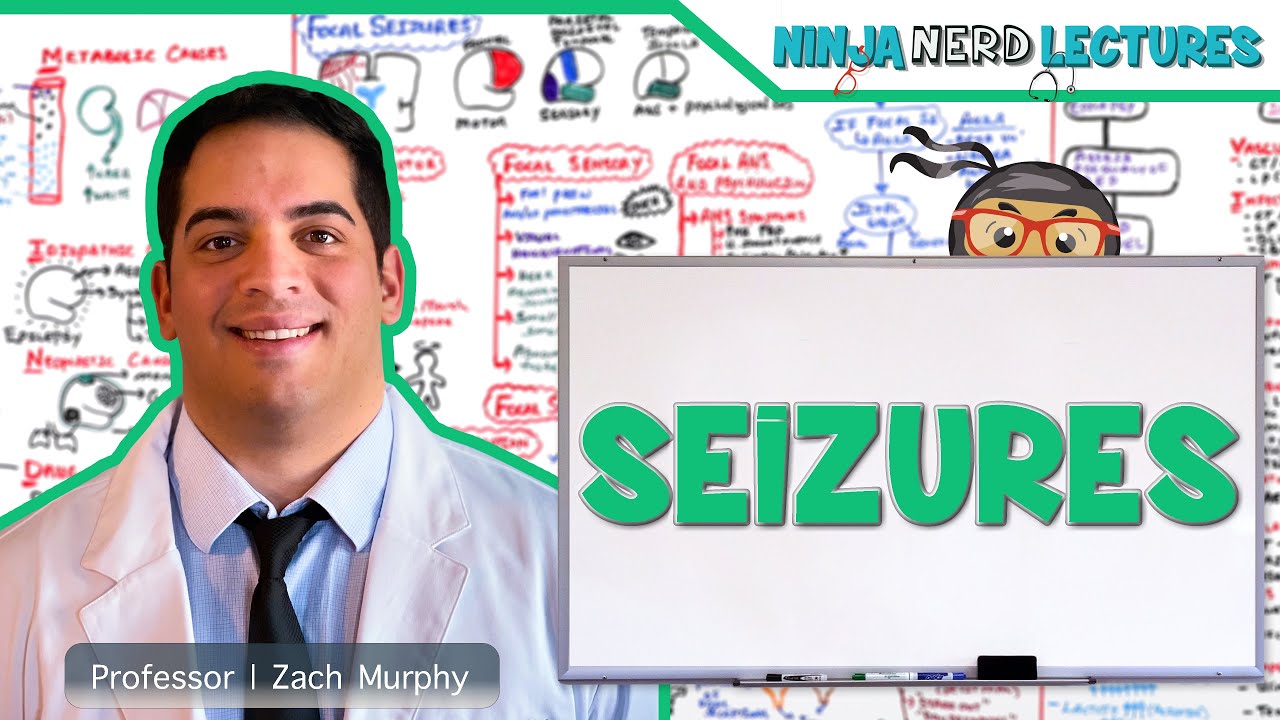
Essential Skills for Registered nurses: Advanced Epilepsy Nurse Training Courses
When it comes to nursing, especially in specialized areas such as epilepsy, having a strong foundational capability is essential. The intricacies of taking care of epilepsy need registered nurses to be well-versed in different facets of patient treatment, consisting of seizure recognition and management, medication protocols, and individual education.
Understanding Epilepsy: A Basic Skill
To efficiently look after clients with epilepsy, nurses have to first understand what epilepsy is. This neurological condition is characterized by recurring seizures as a result of abnormal electrical task in the brain. Understanding the various types of seizures-- such as focal seizures, generalized seizures, and standing epilepticus-- is vital for giving suitable care.
Types of Seizures
- Focal Seizures: These originate in one area of the brain and can impact consciousness. Generalized Seizures: These influence both sides of the brain from the onset. Status Epilepticus: A clinical emergency where a seizure lasts longer than five minutes or occurs back to back without recovery.
Seizure Administration Training
One of the most critical elements of epilepsy nurse training is effective seizure administration. This involves not just recognizing when a seizure happens however also recognizing just how to react properly.

Key Facets of Seizure Management
Identification: Recognizing indicators suggesting an impending seizure. Response Protocols: Understanding just how to guarantee client security throughout a seizure. Postictal Care: Providing required assistance after a seizure has occurred.Medication Management Skills
Nurses need to have extensive expertise regarding anti-epileptic medicines (AEDs). This includes understanding their systems, negative effects, communications, and keeping track of requirements.
Common Anti-Epileptic Drugs
- Phenytoin Carbamazepine Valproate
By grasping this knowledge through specialized programs on epilepsy medication training, nurses can properly handle therapy strategies tailored to private patient needs.
Effective Communication Skills
Good communication between doctor and patients is crucial in guaranteeing optimum treatment administration. Registered nurses should be skilled in interacting complicated clinical information understandably.
Strategies for Efficient Communication
Use straightforward language when clarifying medical terms. Encourage questions from individuals and families. Provide written materials that strengthen spoken communication.Patient Education and learning Techniques
Educating individuals regarding their problem encourages them to manage their epilepsy much better. Nurses should use academic devices customized to diverse knowing styles.
Methods of Individual Education
One-on-one education sessions. Group workshops focused on coping strategies. Distribution of academic pamphlets or on-line resources.Crisis Treatment Skills
Nurses usually experience situations requiring instant intervention; thus situation management training forms an indispensable part of advanced epilepsy nurse training courses.
Crisis Strategy Components
Recognition of situation signs. Immediate activities to take throughout a crisis. Post-crisis support choices offered for individuals and families.Emotional Assistance Competence
Beyond physical wellness, psychological health plays a considerable function in handling chronic problems like epilepsy. Registered nurses require abilities in offering mental support.
Techniques for Emotional Support
Active listening techniques. Validation of individual experiences. Referral choices for psychological wellness solutions when necessary.Collaboration with Multidisciplinary Teams
Effective monitoring commonly calls for cooperation with various other medical care professionals like neurologists, social workers, and work-related therapists.
Benefits of Multidisciplinary Collaboration
- Holistic strategy to client care Shared understandings bring about better therapy plans Increased source availability
Understanding NDIS Supports for Epilepsy Patients
The National Impairment Insurance Plan (NDIS) provides important supports for individuals dealing with specials needs-- including those with epilepsy-- guaranteeing they receive proper support tailored to their needs.
How NDIS Sustains Patients With Epilepsy?
Financial support for therapies connected to epilepsy management. Access to specialized healthcare professionals educated under programs like ndis epilepsy training Resources that promote freedom among individuals coping with epilepsy.Advanced Epilepsy Nurse Training Programs Overview
To outfit nursing specialists with these necessary skills, numerous innovative training programs are available around the world concentrating on considerable subjects connected to epilepsy care.
Key Elements of Advanced Training Programs
Comprehensive educational program covering all elements stated above. Hands-on workshops replicating real-life circumstances related to seizure administration. 3. Opportunities for continuing education and learning credit reports upon completion.Importance of Accreditation in Epilepsy Nursing
Achieving certification via an epilepsy training certificate recognizes a registered nurse's expertise and dedication towards providing high-grade care details to epileptic conditions.
Benefits of Obtaining Certification
1. Profession innovation chances within medical care settings concentrated on neurology or rehabilitation. 2. Enhanced reliability amongst peers and people alike. 3. Raised expertise leads directly to improved client outcomes.

FAQs Regarding Advanced Epilepsy Nurse Training Courses
FAQ 1: What is consisted of in an innovative epilepsy nurse training course?
Most progressed programs include modules on seizure acknowledgment, medication management, client education techniques, emotional assistance techniques, and situation treatment protocols tailored particularly towards handling epileptic situations effectively.
FAQ 2: Is previous experience required prior to registering in these courses?
While some programs may choose candidates who have foundational nursing experience or history understanding regarding neurology-related conditions; lots of additionally welcome new grads eager in the direction of specializing within this field.
FAQ 3: How long does it usually take to complete these sophisticated training programs?
The period differs widely depending upon course structure-- from intensive week-long qualifications up with semester-long academic programs offered at universities.
FAQ 4: Are there online choices available?
Absolutely! Many respectable organizations offer adaptable on the internet discovering layouts along with traditional classroom setups providing towards busy experts looking for additional education.
FAQ 5: Will certainly I get a certification upon completion?
Yes! A lot of accredited programs will certainly provide participants certifications confirming effective training course conclusion-- frequently recognized by employers throughout health care systems.
FAQ 6: Can relative participate too?
While key focus stays centered around healthcare experts straight included; numerous organizations now extend educational chances in the direction of family caretakers supplying important support systems at home.
Conclusion
Nursing professionals are at the leading edge when it comes down caring appropriately among individuals https://jareduhmm950.iamarrows.com/building-a-safer-atmosphere-seizure-first-aid-training-for-every-person living with conditions like epilepsy-- making it imperative they possess essential abilities appropriate toward this specialty field! Through advanced epilepsy nurse training courses, registered nurses can get useful proficiencies ranging from efficient communication techniques via functional responses during situations improving total quality-of-care delivery while advertising positive results across different contexts! As we delve much deeper right into recognizing more regarding these vital instructional resources available today; paving paths in the direction of boosted lives ends up being increasingly possible-- fostering empowerment amongst those impacted consequently creating surges throughout neighborhoods everywhere!
This thorough exam stresses just how crucial ongoing education remains within nursing techniques particularly worrying persistent ailments such as epilepsies where nuanced methods commonly determine success prices bordering treatments provided inevitably enhancing lives dramatically over time!